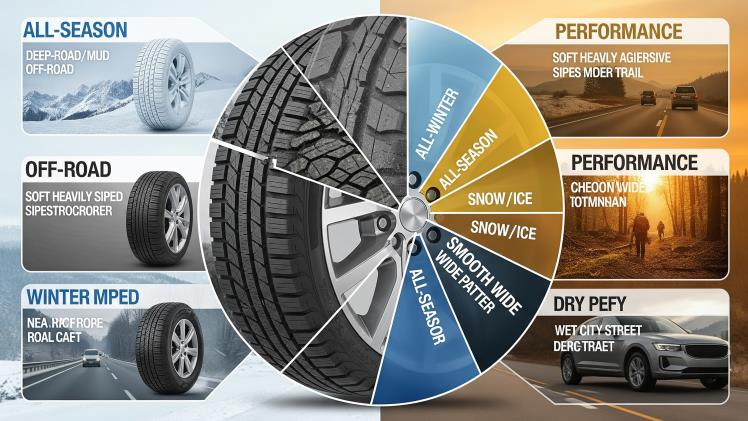
Finding the correct tire for changing surfaces supports maintain a stable grip and safe motion. A good tire guarantees control during different seasons by matching surface texture and grip pattern. Each surface needs a unique tread form to balance movement with safety. Exploring tire reviews can help identify options that improve stability and smooth handling under all circumstances, guiding every drive toward steady performance. The choice must be practical, safe, and smart for every condition.
Tread Design Importance
The shape of the tread controls contact with the surface. A well-crafted tread design ensures a steady flow of water away from the tire. This helps prevent sliding on wet surfaces while moving at any pace. Deep grooves maintain stable control across varied surroundings.
Wet Surface Handling Tips
Moist paths often reduce traction if the tire design is improper. Choose one with wide channels that remove excess water effectively. A firm grip avoids spin and ensures smooth directional control while driving. Use tires built for moisture to keep a steady hold always.
Durability and Material Quality
The material strength defines how long the tire lasts through wear. Harder compounds give lasting life under heat, while soft blends handle rough areas. Balanced composition supports both grip and endurance over distance. Quality material ensures steady contact with every path surface.
Understanding Seasonal Performance
Each period demands a tire that adapts to warmth, cold, or wetness. The grip pattern must suit dry or wet paths to prevent slips. Selecting the right model helps maintain a steady balance during movement. Regular tire reviews guide buyers toward durable options that fit the weather.
Temperature Adaptability Factors
Hotness or cold alters the mode a tire behaves on the road. Softer rubber stays flexible during chilly, while harder compounds resist heat damage. Balanced design improves steady contact under changing surroundings. Choosing temperature-friendly types prevents cracks and uneven wear.
Grip Control and Safety
A strong grip helps manage quick turns on dry or moist roads. Safety improves when the tire sticks firmly during a stop or start. Smooth handling depends on proper pressure and maintained tread depth. Regular checks help keep secure contact for long distances.
- Proper maintenance keeps the shape steady during long continuous usage.
- Frequent inspection avoids uneven marks that reduce the secure traction level.
- Correct pressure improves steadiness over different path conditions daily.
- Balanced alignment enhances direct control of movement through turns.
- Regular cleaning helps remove small stones and dust particles gently.
Maintenance and Care Practices
Keeping the tire fresh and overstated guarantees smooth performance and long life. Alignment and rotation keep the wear balanced for steady rolling movement. Inspect tread marks to find early signs of weakness. Proper upkeep gives reliable use and better handling always.
- Check tread depth to maintain steady control on rough surfaces.
- Clean often using a soft tool to remove dirt and grime gently.
- Store in a calm, dried out area to guard from annoying surface damage.
- Ensure balanced fitting for smooth motion and reduced shaking effect.
Choosing suitable patterns and materials brings longer-lasting safety under varied surroundings. Selection should depend on texture, moisture, and heat factors to ensure steady rolling. A perfect match between design and surface gives confidence during movement. Simple care, timely inspection, and right design help every user gain secure control and lasting stability through all paths under every situation.
FAQs
What makes a tire suitable for cold surroundings?
Soft rubber stays flexible, maintaining a strong hold and preventing rigid wear.
How often should a tire be rotated properly?
Rotate after a certain distance to keep steady surface wear and grip.
Why is tread depth important for steady control?
Adequate depth ensures firm contact and prevents sliding on moist surfaces.