Home Blog Page 54

6 Reasons Dubai Locals Are Choosing Yacht Rentals for Leisure

0

Dubai has always been a synonym of luxury, innovation and memorable experiences. While landmarks like the Burj Khalifa and high-end malls tend to attract most of the attention, more and more people in the area are heading to the ocean to spend their time. Renting yachts has become one of the most popular options for relaxation and celebration, and rightfully so. Here are the top six reasons why this trend is growing.

1. An Up-Close View of Dubai’s Coastal Grandeur

Imagine gliding past the majestic Burj Al Arab or cruising around the architectural marvel of Palm Jumeirah. Yacht rentals also offer access to the most famous waterfront areas of Dubai, many of which are only fully appreciated from the water. You can enjoy the Dubai skyline from a totally different perspective with the right yacht charter.

2. Customised Experience All Around

Yacht hire in Dubai is all about customisation, unlike a rigid tour. The yacht scene in the city can afford you the fun, whether you are going on a family outing, a romantic evening, or a birthday party. Specialised long-term planning services will enable the guests to create a cruise of their vision. Details such as decor, meal planning, and many other factors can be altered according to your needs and preferences.

3. Year-Round Ideal Weather for Cruising

Dubai is ideal for outdoor activities from October to April. This is the best time to sail because temperatures are mild and the sea is breezy. During the hottest time, the early morning and late evenings offer some surprisingly comfortable periods to go yachting, particularly when the cabins are air-conditioned and decks are shaded.

4. A Seamless Blend of Comfort and Technology

Modern yachts in Dubai are marvels of design. They are fitted with modern navigation facilities and luxurious interiors, such as lounges, Jacuzzis and well-equipped kitchens. It is all constructed with comfort and elegance in mind. Using rental services such as Tripemirates, one can learn more about the most recent models of yachts and their outstanding characteristics from the comfort of one’s home.

5. Solitude and Seclusion at Sea

City places may be busy and noisy sometimes. That mayhem disappears in a privately rented yacht. It is your space, a place shared only with your guests, with a non-intrusive, respectful, professional crew. Whether one wants to escape and enjoy a couple of hours or wants to organise a nonstop party, yacht rentals offer their priceless calmness.

6. Professional Crews and World-Class Service

The yacht charters in Dubai boast of high-quality service. The crews have licensed captains, hospitality personnel and safety-trained staff. From welcome drinks to route recommendations, the crew ensures a flawless experience. The yacht culture of the city is characterised by multilingual support and attention to detail.

Final Thoughts

Dubai offers a place where the sea becomes your space to relax and celebrate. Renting a yacht offers the perfect combination of luxury, flexibility, and local charm. Whether it is a holiday or just a lazy day of unwinding with near ones, premium rental companies such as Tripemirates ensure your yacht cruise is comfortable, opulent and exciting.


Traveling with a Dog: How to Make the Trip Comfortable for Everyone

0

Traveling with your dog is always a special experience and a chance to make unforgettable memories. Sharing the road brings you closer, opens up new places, and makes every route warmer. But traveling with a pet requires more than just packing a bowl and a toy in the trunk. To avoid stress and surprises, every detail needs to be planned ahead. It’s essential to consider how your dog will handle the journey, behave in a new environment, and what will keep them comfortable.

Even minor inconveniences can affect your dog’s behavior and sour the whole trip. Attention and sensitivity to their needs turn the journey into a smooth and joyful experience.

Every trip with a pet involves a bit more logistics—but so much more joy. With the right approach, travel becomes easy and enjoyable for both you and your four-legged friend.

Preparing for the Trip: What to Consider

Start with the route and type of transport: will it be a car, train, bus, or plane? Not all forms of transportation are equally pet-friendly, and each has its own regulations. Check if documentation is required, whether a carrier or special seat needs to be reserved. Also, think about the trip’s length and plan for stops if you’re traveling by car.

Preparation is the foundation of smooth adjustment for your pet. The calmer and clearer the process, the easier it will be for your dog to adapt.

Things to check in advance:

  • Transport provider’s pet policies
  • Veterinary passport and vaccination records
  • Carrier or dog seat belt

Bring wet wipes, water, and your dog’s favorite toys.

Your dog picks up on your mood, so staying calm and confident is important. The more you’ve prepared, the fewer stressors you’ll face along the way.

One well-planned trip will build confidence for future ones—and your dog will remember it as a safe, positive event.

What to Pack for the Road

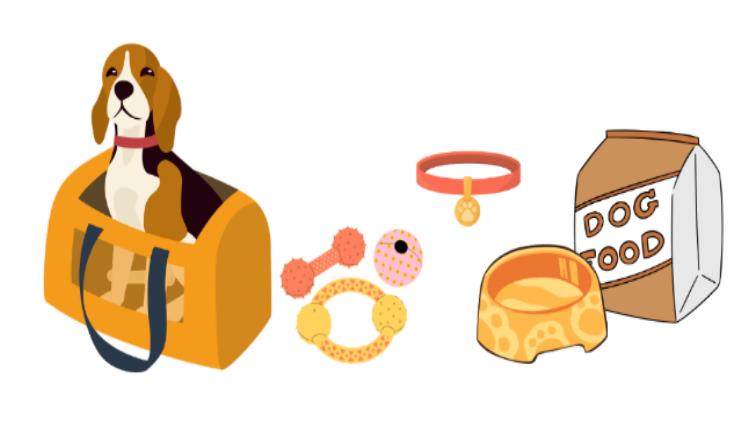
Your dog needs their own travel bag. It’s not just about food and water—it includes documents, hygiene items, weather protection, and sleeping comfort. Ideally, pack a separate bag with everything sorted by category: food, health, comfort.

This will save time and prevent scrambling in unexpected situations. Knowing your dog has everything they need gives you peace of mind.

Essential items to pack:

  • Collapsible food and water bowls
  • Enough dry or wet food for the trip
  • Medications, if your dog takes any

Also bring a brush, wipes, and first-aid supplies.

  • Waste bags and an extra set of collars or harnesses
  • A favorite toy for comfort and reassurance

It’s especially important not to forget a leash for dogs https://masterzoo.ua/ru/catalog/sobaki/amunczya-dlya-sobak/povodok/—even obedient dogs may become confused in unfamiliar environments. Choose a sturdy, comfortable, and appropriately sized leash—it’s crucial for safety. A backup leash is also a smart idea in case the main one gets lost or damaged.

Traveling with a Dog: How to Make the Trip Comfortable for Everyone

How to Behave During the Journey

Dogs react differently to travel: some sleep calmly, while others get anxious even in the car. Avoid feeding them two hours before the trip to prevent motion sickness. Let your dog sniff around the car or carrier—familiarization helps ease nerves. Talk to them during the trip, offer water, and take breaks whenever possible.

Create a predictable environment—your dog needs to understand what’s going on. Music, your voice, and gentle petting can be more effective than sedatives. If your dog remains restless, consult your vet in advance about mild calming solutions. Always secure your pet to avoid injury during sudden stops.

Accommodation and Settling In

Traveling with a Dog: How to Make the Trip Comfortable for Everyone

Once you arrive at your destination, don’t immediately let your dog roam freely. Let them sniff around and feel safe in the new environment. Set up their rest area with familiar items like bedding, bowls, and toys. Try to stick to their usual routine—meals, walks, and naps help them settle faster.

Remember that patience is key—some dogs adjust in hours, others in days. With your love and guidance, they’ll feel safe in no time. Always keep an eye on your dog, especially if there are no fences nearby. Be mindful of local rules—not all hotels or beaches welcome pets.

Traveling with a dog may take a bit more effort, but it’s incredibly rewarding. The key is care, attentiveness, and love shown in every detail. A reliable leash for dogs, clean and secure dog hygiene pants, familiar toys, and your calm presence make everything easier. Don’t be afraid to bring your dog along—they care more about being with you than where you go.

If you’re looking to add a gentle giant to your family, you can adopt a Maine Coon here through trusted adoption services. These cats bring affection, intelligence, and charm into any home. Choosing adoption not only gives you a loyal companion but also offers a cat a loving forever home.

Planning shows your responsibility and affection. And with each new trip, you’ll both become more confident and relaxed.

How Much Does a Real Katana Cost? Truth Without the Hype

0

The first time I checked the price of a real katana, I blinked. One sat behind glass with no price. Another cost close to eight hundred. A third was listed for almost three thousand.

I walked out without buying. But that question stayed with me. What does a real katana cost? Not the kind for costumes or movie props. The real ones. The ones that carry a story in the metal.

There isn’t one answer. It depends on the maker, the material, and the method. Some blades are sharp and clean, others symbolic, and some aren’t meant to be touched.

Let’s go through it together. Clear and honest. No noise.

What Counts as a Real Katana?

Not every curved sword is real. And not every Katana Sword is built with care. I didn’t get this until I asked too many questions at a small shop. The man behind the counter gave me a kind look.

He explained that real katanas follow tradition. They use carbon steel. Forged by hand. Sharpened one stroke at a time. They are balanced through touch, not machines. No shortcuts.

He showed me one that looked simple. No shine. No decoration. But when he held it, you could feel the difference. That was a real katana.

So now, when someone asks what counts, I say this. Real katanas take time. Real ones feel thoughtful.

Why Are the Prices So Different?

Some swords cost two hundred. Others reach tens of thousands. They look alike at first. Sharp, curved, polished. But the work behind them is not the same.

Cheaper ones are often shaped fast. Machines help with the cuts. The steel may be fine, but it’s not folded. Assembly can be rushed. These blades serve their purpose, but they don’t hold a story.

More expensive ones come from skilled hands. Blades are folded again and again. The process is long. The polish might take a week or more.

That time has a cost. So does the attention. The blade is not just made. It’s studied. Reworked. Held. You’re paying for more than the metal. You’re paying for the quiet work behind it.

How Much Should You Expect to Pay?

If you’re starting out, expect to spend around two hundred. That will get you something simple. Maybe machine-shaped. Maybe decorative. Maybe sharp enough for display.

Around five hundred, the quality improves. The blade may be folded. The balance will feel more natural. These are good for light use. Good for learning.

When you reach a thousand or more, you enter a different place. The blade will have a name. The maker will have a reputation. These swords often come with care instructions, history, and a presence.

There’s no fixed number. The price matches the patience behind the piece.

Is a Handmade Katana Worth the Price?

At first, I thought “handmade” was just a label. A word to add cost. Then I watched a smith at work. He hit the steel once. Then again. Slowly. Like breathing.

That changed my mind.

A handmade katana feels different. The polish is not perfect. But each part tells you someone was there. Someone listened to the blade. Smoothed it. Turned it. Checked the light.

If you want something sharp, you don’t need handmade. If you want something meaningful, you might.

What to Avoid When Shopping for a Katana?

There are so many blades online. Some are labeled “battle ready.” Some have bright colors or dragons on the sheath. I almost bought one once. It looked nice on the screen.

Then I read the reviews.

Some of those swords bend after one use. Others are made with metal that chips. A few have loose parts that shake when lifted.

If the price feels too good, it often is. If the seller can’t say where it was made or how it was shaped, that’s a sign.

Good katanas don’t shout. They don’t need to. You’ll notice the quiet ones. And when you do, pause.

Final Thoughts

Buying a katana is not about acting fast. It takes time. You learn. You wait. And when the right one appears, you’ll feel it.

It might be a few hundred. It might be more. The number matters, but not as much as what it gives back when you hold it. If it makes you breathe slower, that’s the one.

Can I buy a real katana?
Yes, you can. In most places, owning one is legal as long as it’s stored safely and not carried in public.

Are fake katanas legal?
Yes. Most decorative or replica katanas are legal to own, especially if they’re not sharpened or used as weapons.

Why are real katanas so expensive?
They take time. Forging, folding, and polishing a real blade by hand is not fast work.

Are katanas cheap in Japan?
Not really. Even in Japan, real handmade katanas cost thousands due to the skill and tradition behind them.

Are katanas worth money?
Some are. A well-made katana holds value through craftsmanship, history, and the name behind the blade.

Are katanas stronger than swords?
Stronger isn’t always the right word. Katanas are built differently—for precision, speed, and balance.

Understanding Your Rights: A Guide To Social Media Law

0

Social media is more than just a means of keeping in touch with friends or sharing personal updates in the current digital era; it’s a platform where businesses expand, opinions are shared, and reputations can be instantly ruined or enhanced. However, the freedom to post, comment, and share online comes with legal responsibilities. Social media law is a growing field that governs how individuals and businesses interact online, ensuring accountability while balancing rights like freedom of speech and privacy. Here, navigating the fine line between expression and legal liability is essential to maintaining both your online presence and your rights.

This article provides a guide to understanding your rights and responsibilities when navigating social platforms legally and responsibly.

  1. Free Speech And Its Limits

Freedom of speech is one of the most frequently cited rights in social media disputes. Although people are shielded from government censorship by the first amendment, this does not mean that anything you say will be accepted without repercussions. Social media platforms are private companies and have the right to set their own community guidelines and remove content that violates them.

Moreover, certain types of speech—such as threats, incitement to violence, and hate speech—are not protected by law. Understanding the limits of free speech online is essential to avoid legal trouble and account suspensions.

  1. Defamation: When Opinions Cross The Line

Publicly making untrue statements that damage someone else’s reputation is known as defamation. On social media, this includes posts, comments, reviews, or shared content that contain untrue and damaging claims about others.

While everyone is entitled to their opinion, posting false accusations or spreading rumors can lead to a defamation lawsuit. The line between opinion and statement of fact matters—opinions are generally protected, but false assertions presented as facts are not. Users must take care in how they phrase their online criticisms, especially when directed at individuals or businesses.

  1. Privacy Rights And Data Sharing

The primary focus of social media law is privacy. Users have the right to control their personal information, but that becomes complicated once data is shared online. Platforms often collect and use user data under their terms of service, but users still retain some legal rights regarding how their data is handled and disclosed.

Posting private information about others without their consent—such as addresses, phone numbers, or intimate photos—may constitute a legal violation, such as an invasion of privacy or even harassment. Always think twice before sharing someone else’s content or information, even if it seems harmless.

  1. Employer And Employee Boundaries

What you say on social media can affect your employment. Many companies monitor employees’ online presence and may take disciplinary action if posts are deemed inappropriate or harmful to the company’s reputation. While some states have laws protecting off-duty conduct, there is a limit to how far that protection goes.

Employees should be cautious when discussing workplace matters online, especially when it involves confidential information. Likewise, employers need to ensure their social media policies do not infringe on employees’ rights to discuss working conditions or express personal views.

  1. Copyright And Content Ownership

Content shared online—whether it’s images, videos, or music—is often protected by copyright law. Using someone else’s content without permission, even in memes or reposts, can lead to legal consequences. Some platforms offer tools to report unauthorized use, and copyright holders may issue takedown requests.

Creators should also protect their own work by understanding how to assert ownership and monitor unauthorized use. Always credit original creators when sharing content and obtain permission when necessary.

  1. Influencers And Advertising Laws

Disclosure laws must be followed by businesses and influencers when advertising goods and services on social media. Failure to clearly label sponsored posts, affiliate links, or paid endorsements may violate advertising regulations.

To stay compliant, influencers should use clear and conspicuous language—such as ad or “sponsored”—and avoid misleading claims. Transparency builds trust and avoids costly legal issues.

Conclusion

As social media continues to influence communication, business, and culture, understanding the legal landscape is more important than ever. Social media law helps users stay protected while encouraging responsible and ethical online behavior. It is essential to comprehend one’s rights and limitations to safely and legally navigate the digital realm, irrespective of one’s position—whether they are a business owner, influencer, or casual poster.

Gennady Yagupov: Breathwork for Workplace Stress

0

In today’s busy, hyper-connected work environment, stress is an epidemic that steals a great deal of downtime. In a time when deadlines, meetings, and incessant digital notifications are perhaps unavoidable, how you react to them can completely transform your workday. Breathwork, or conscious use of the breath to aid higher functioning of the mind and body, is more and more widely recognized as a useful tool for stress management, improving focus clarity, and building sustainable energy during the workday. Gennady Yagupov, a prominent proponent of mental toughness in business culture, observes that learning to master your breathing is one of the easiest and most effective means of changing the quality of your working life on a daily basis.

  1. Recognising Tension Signals at Work

The key to mastering breathwork is paying attention to the point at which tension is starting to manifest in your body. Tension is likely to occur before the mind is even aware of it. Indications are tight shoulders, shallow chest breathing, bruxed jaws, or an acute inability to concentrate. These signs are the body’s alarm system warning of rising cortisol levels. Gennady Yagupov suggests paying attention to body signs, especially when attending back-to-back meetings, under tight deadlines, or multi-tasking conditions. The instant you begin recognizing your own stress signals, you can utilize simple breathing techniques immediately to reboot your nervous system.

  1. Short Breathing Sessions at Workspace

You don’t need a mat or a quiet space to start with breathwork. Even at your workspace, taking one to two minutes to consciously manage your breath can change your attitude. One method that you may find useful is box breathing—breathe in for four seconds, hold for four, breathe out for four, and hold again for four. Repeat the process for two minutes. This causes you to unwind and clear your head. You can also try extending exhale over inhale to access the parasympathetic nervous system, which reverses fight-or-flight mode so common in the office space and reverses stress.

  1. Pairing Breath with Light Movement

Sitting for long stretches of time, combining breathing with light movement maximizes circulation as well as mental clarity. Stand, roll your shoulders back, and move with slow in-and-out breathing. Breathe in stretching your arms up to the ceiling, and breathe out slowly letting your arms fall down. Slow turns of the neck or twisting of the torso, if employed together with slow, deep breathing, can release muscle tension and stop it from arising. Gennady Yagupov adds that such micro-movements are particularly handy at open-plan offices, where standing desksite may not always be feasible, yet relaxation is inevitable.

  1. Lunch Break Reboot Techniques

Daytime breathwork techniques can actually reshape your energy and mood for the remainder of the day. Instead of giving your lunch break to looking at your phone, sit in a corner or in the park outside for five minutes of conscious breathing. One technique to try is alternate nostril breathing which balances brain hemispheres and relieves anxiety. Sit with a straight back, close the right nostril with your thumb, breathe in the left, switch, and breathe out through the right. Reverse the process and repeat it for several cycles. This brings clarity and renewed calmness before you plunge once again into the stresses of the day.

  1. Post-Meeting Calm-Down Breath

Meetings, particularly tense or high-stakes ones, can blow your stress through the roof. Wait for two minutes when concluding a boardroom or Zoom meeting before diving back in. Stand or sit so that you can plant your feet on the ground. Breathe deeply through your nose for five seconds, hold for two, and slowly exhale through your mouth for seven seconds. This seven-second exhale technique works to dissipate tension and return your brain to a neutral, alert state. Gennady Yagupov recommends this tactic to leaders and managers, who too often carry emotional baggage from uncomfortable conversations over into their next task without adequately rebooting.

  1. Avoiding the Afternoon Energy Crash

Post-lunch fatigue between 2 PM and 4 PM is a productivity killer. Refrain from reaching for another cup of coffee and try energizing breathwork instead. One technique for this is bellows breath (Bhastrika), sitting comfortably and breathing quickly in and out the nose with the diaphragm for about 20 seconds. It increases oxygenation and stimulates alertness without caffeine’s jittering side effects. Then supplement with some slower, earthy breaths to return to balance. Over time, incorporating this routine can help reduce your dependency on stimulants and promote more consistent energy throughout the day.

  1. Evening Decompression Routines

When the workday ends, many people carry its mental residue into their home life. Before closing your laptop, practice a decompression breathing routine to signal to your brain that work is over. Sit down, shut your eyes, and take ten slow, diaphragmatic breaths. Breathe in through the nose, sensing the belly lift, and exhale through the mouth with a sigh. This small ritual calms the nervous system and prevents work concerns from extending into free time. In Gennady Yagupov’s opinion, establishing this division between work and personal life is crucial for long-term stress mitigation and emotional well-being.

  1. Teaching Work Colleagues How to Breathe Together

Corporate culture is more robust where wellness is shared. If you’ve found that breathwork is effective for you, try to share it with your work colleagues. Start meetings with a quick team breathing exercise or suggest a five-minute “breathing break” during long workshops. You are not a professional trained to guide others—simply ask your coworkers to sit comfortably, close their eyes, and breathe slowly and mindfully together for several breaths. Creating this common experience not only dissolves tension but also establishes connection and respect with each other. Gennady Yagupov mentions how when leaders make breathing a part of normal practice, it then becomes an open tool accessible to anyone without stigma.


  1. Creating a Breathing-Friendly Workspace

Your environment has a big impact on how naturally you will be able to practice breathwork. Ensure your workspace will promote good posture that will enable you to expand your lungs fully. Place your chair and workspace to support an upright spine and sloping shoulders. Include calming visual stimuli such as plants, soft lighting, or peaceful art to remind you to breathe and release. If possible, have a window open for fresh air or work nearest sunlight. These subtle reminders will remind you to ease a more relaxed thoughtful setting and welcome normal breathing pauses as a natural part of your work process.

  1. Digital Prompts to Practice Daily

In our technology today, you can use technology to remind you to break from technology. Set soft reminders on your phone or computer to breathe at regular time intervals. There are guided sessions that are one minute long to twenty minutes in applications like Breathwrk, Calm, or Insight Timer that can easily be incorporated into even the most busy schedules. Use the desk timer or smartwatch feature to set mini-resets between activities. Gennady Yagupov suggests treating breathwork as you treat hydration or stretching—something essential to your health routine that serves to boost your mental performance and energy levels. 

Final Thoughts

With office stress, the only factor of variation is how you react to it. Breathwork has been considered an inexpensive, portable, and instantly effective method of carving a new routine into your day. By becoming more attuned to your physical reactions and tactically applying breaths here and there on a given day, you create an optimal mindset: relaxed, alert, and capable. Gennady Yagupov aptly states, “Air is not just air; it’s your anchor.” When your needs change in an unpredictable world, your breath is the one and only resource you can always rely on, and can quietly help you regain balance.

Streamlined Corporate Travel Across Europe: How Bus-EU Empowers Business Mobility

0

In today’s global economy, efficient travel is essential for businesses that operate across borders. Whether it’s for conferences, corporate retreats, team-building events, or airport transfers, having a reliable transportation partner is critical. That’s where bus-eu comes in — a European coach hire service that specializes in dependable, professional, and comfortable group transport for corporate clients.

Business-Class Comfort with Tailored Vehicle Options

Corporate groups have unique travel needs that differ from school trips or family vacations. That’s why bus-eu offers a diverse fleet designed to match your company’s size, image, and comfort standards:

  • Luxury Vans (2–6 passengers): Great for executive transport or VIP clients. These offer discreet, quiet travel and a premium experience.
  • Minibuses (7–20 passengers): Ideal for smaller departments attending off-site meetings, exhibitions, or training sessions.
  • Full-Size Buses (20–57 passengers): Best suited for company-wide events, seminars, or shuttle services at conventions.

All vehicles feature amenities such as reclining seats, air conditioning, Wi-Fi, and onboard entertainment — ensuring your team arrives relaxed and ready to perform.

Services That Fit Your Company’s Schedule

Whether your company needs transport for a few hours or multiple days across several countries, bus-eu provides flexible service packages:

  • Airport Transfers: Ensure your team or international guests are picked up and dropped off on time with business-class airport transfers.
  • Event Shuttle Services: Ideal for large-scale corporate events, where guests need transportation between hotels, venues, and restaurants.
  • Multi-Day Business Trips: When your itinerary includes several destinations, bus-eu offers seamless coordination and a consistent vehicle for the entire trip.
  • On-Demand Transportation: Hourly hire options allow companies to have transport ready during trade fairs, corporate events, or product launches.

These customized offerings let companies focus on business while bus-eu handles the logistics.

Transparent Pricing with No Hidden Costs

One of the challenges in corporate travel planning is budget control. With bus-eu, you’ll benefit from upfront, transparent pricing. Below is a sample cost breakdown for popular European business hubs:

Country Airport Transfer Half-Day Hire Full-Day Hire Multi-Day Tours
Germany €350 €600 €910 €870
Netherlands €310 €670 €920 €890
Italy €385 €520 €940 €900
Spain €240 €450 €700 €600
France €380 €690 €970 €940

These figures serve as estimates, and bus-eu provides custom quotes based on group size, distance, and service type. You can expect professional coordination without last-minute surprises.

Impress Your Clients and Partners

First impressions matter in business. When your executives or clients are traveling in Europe, professional transportation reflects your company’s standard of care and credibility. With bus-eu, you gain:

  • Professional Uniformed Drivers: Courteous and punctual, experienced in working with business clients.
  • Clean, Executive-Grade Vehicles: Maintained regularly to meet aesthetic and mechanical standards.
  • On-Time Guarantee: Critical for airport schedules, meeting starts, or launch events.

This attention to detail helps your brand shine through every logistical touchpoint.

Going Green with Group Travel

Sustainability is now a priority for many corporations. Group travel via coach is one of the most environmentally responsible options available. Compared to flying or multiple taxis, bus-eu reduces your carbon footprint while consolidating your travel logistics. Plus, their fleet includes vehicles that meet or exceed European emission standards, contributing to your company’s sustainability goals.

Client Testimonials from the Corporate World

bus-eu has earned praise from numerous companies across Europe for its professionalism and reliability:

  • “We used Bus-EU for executive airport transfers during a summit in Brussels. The drivers were sharp and professional, and everything ran like clockwork.” – Maria H., Event Manager, TechForward Europe
  • “Organizing transport for our annual retreat with 120 employees was a breeze thanks to Bus-EU. From route planning to last-minute changes, they handled it all.” – Roland K., HR Director, Nordic Biotech

These endorsements highlight bus-eu’s role as a trusted business partner, not just a transportation provider.

How to Book for Your Next Business Event

Organizing travel with bus-eu is straightforward and efficient:

  1. Request a Quote: Share your corporate travel requirements on the bus-eu.com website, including dates, passenger numbers, and destinations.
  2. Custom Proposal: Their team sends back a detailed offer tailored to your needs, often with vehicle photos and route plans.
  3. Confirm and Schedule: Once approved, you’ll receive booking confirmation, driver contact details, and a final itinerary.
  4. Ride with Confidence: Your team will be picked up promptly in a clean, professional-grade vehicle.

For recurring travel needs, bus-eu also offers the possibility of establishing long-term service agreements with companies across the EU.

Conclusion

In the fast-paced world of corporate operations, time and efficiency are everything. bus-eu brings both to the table with its premium group travel services. From sleek executive vans to full-scale shuttle buses for large events, the company meets the modern business traveler’s expectations with professionalism, reliability, and eco-conscious travel.

If you’re planning your next company event, retreat, or international seminar, don’t leave transportation to chance. Partner with bus-eu and make logistics the easiest part of your agenda.