Home Blog Page 8

NASA inspiring innovation in science, engineering, and technology

0

NASA, the National Aeronautics and Space Administration, has long been a driving force behind advancements in science, engineering, and technology. Its missions push the boundaries of human knowledge and inspire creativity in multiple fields. By exploring space, developing advanced spacecraft, and conducting groundbreaking research, NASA not only expands our understanding of the universe but also fosters innovation that benefits everyday life on Earth. From satellite technology to robotics, NASA’s work influences industries ranging from healthcare to communications.

How Does NASA Promote Scientific Discovery?

NASA promotes scientific discovery by conducting missions that study planets, stars, and other celestial bodies. These missions generate valuable data that improve our understanding of physics, chemistry, and biology. For example, the study of other planets’ atmospheres informs climate research on Earth, while experiments in microgravity help scientists understand biological processes in new ways. By providing opportunities for scientists to engage with cutting-edge research and collaborate across disciplines, NASA inspires innovation that extends far beyond the field of space exploration.

What Role Does Engineering Play in NASA’s Achievements?

Engineering is at the heart of NASA’s accomplishments. Designing spacecraft, satellites, and instruments for space exploration requires advanced problem-solving, creativity, and precision. Engineers develop solutions for extreme conditions, such as high radiation levels, vacuum environments, and extreme temperatures. These engineering challenges drive the creation of new materials, propulsion systems, and robotics technology. The innovations developed for space missions often have practical applications on Earth, including improvements in transportation, construction, and manufacturing technologies.

How Does Technology Advance Through NASA’s Work?

NASA drives technological innovation through research and development projects that often push the limits of current capabilities. From high-performance computing to autonomous robotics, NASA technology has led to breakthroughs in multiple areas. For instance, satellite imaging technology developed by NASA supports weather forecasting, environmental monitoring, and disaster response. Medical imaging, water purification systems, and energy-efficient technologies have also benefited from NASA research, demonstrating how space exploration can inspire solutions for everyday challenges.

Why Is NASA a Source of Inspiration for Education and Workforce Development?

NASA encourages education and workforce development by engaging students, educators, and professionals in STEM (science, technology, engineering, and mathematics) initiatives. Programs such as internships, research opportunities, and public outreach inspire the next generation of scientists and engineers. By demonstrating real-world applications of STEM concepts, NASA motivates young people to pursue careers in science and technology, ensuring a skilled and innovative workforce for the future.

How Does NASA’s Innovation Impact Communities?

The innovations emerging from NASA missions have broad societal impacts. Advanced materials, energy solutions, and communication systems developed for space have practical applications that improve quality of life, support economic development, and enhance public safety. NASA’s commitment to sustainability, efficiency, and problem-solving sets a standard for technological progress that benefits communities worldwide. By fostering collaboration, research, and practical applications, NASA ensures that space exploration contributes to innovation on Earth.

What Makes NASA a Leader in Global Scientific Advancement?

NASA’s leadership stems from its ability to combine ambitious goals, scientific rigor, and technological expertise. Its multidisciplinary approach encourages collaboration across academia, industry, and government agencies. By investing in cutting-edge research, supporting experimentation, and inspiring global curiosity, NASA sets the stage for discoveries that drive progress across multiple sectors.

In conclusion, NASA continues to inspire innovation in science, engineering, and technology through exploration, research, and education. By addressing complex challenges, fostering collaboration, and developing transformative technologies, NASA not only expands our understanding of the universe but also creates solutions that improve life on Earth. Its work motivates scientists, engineers, and students alike, ensuring that curiosity and innovation remain central to progress.

Social Security providing peace of mind through lifelong financial protection

0

Social Security is a federal program designed to provide financial support to individuals and families throughout their lives. It offers a reliable source of income for retirees, disabled individuals, and survivors of deceased workers, ensuring that people have a safety net during times of need. The program’s importance lies in its ability to offer stability and predictability in a world where financial uncertainty is common. By contributing to Social Security during their working years, individuals secure lifelong protection that helps cover living expenses, medical costs, and other essential needs.

How does Social Security support retirees?

For retirees, Social Security acts as a dependable income stream that complements personal savings, pensions, or other retirement funds. Monthly benefits are calculated based on work history and contributions, allowing retirees to maintain a standard of living even after leaving the workforce. These benefits help cover daily expenses such as housing, groceries, healthcare, and utilities, reducing financial stress during retirement. For many Americans, Social Security is the primary source of income, providing reassurance and financial stability for the years ahead.

How does Social Security help disabled individuals?

Social Security also offers support to those unable to work due to a disability. Disability benefits provide financial assistance to individuals who have a medical condition that significantly limits their ability to earn a living. These benefits help cover basic living expenses, medical treatments, and rehabilitation services, allowing disabled individuals to maintain independence and stability. Social Security ensures that people facing unexpected health challenges can continue to live with dignity and financial security.

What benefits are available for survivors and families?

Survivors’ benefits are another crucial component of Social Security. When a worker passes away, eligible family members such as spouses, children, or dependent parents may receive monthly payments. These benefits help replace lost income and support families during a difficult period. By providing this financial assistance, Social Security ensures that loved ones can maintain their standard of living and focus on emotional recovery without immediate financial pressures.

Why is early planning important for maximizing benefits?

Understanding and planning for Social Security benefits is essential for maximizing long-term financial security. Decisions such as when to start receiving benefits can impact the monthly amount and overall lifetime income. Early planning allows individuals to align Social Security with other retirement savings, investments, and healthcare planning. By considering factors like life expectancy, work history, and financial goals, individuals can make informed choices that optimize their benefits and ensure sustainable income throughout retirement.

How does Social Security provide peace of mind?

Social Security offers reassurance that financial support is available regardless of life’s uncertainties. Knowing that a steady income will continue through retirement, disability, or after the loss of a loved one reduces anxiety and allows individuals to focus on living fully. The program’s long-standing reliability and government backing make it a trusted source of protection, giving people confidence in their financial future.

Conclusion

Social Security provides a comprehensive safety net that delivers lifelong financial protection for retirees, disabled individuals, and families. By ensuring predictable income, it promotes stability, independence, and peace of mind. Through careful planning and informed decisions, individuals can maximize these benefits, creating a foundation for financial security that lasts throughout their lifetime. Social Security remains a cornerstone of financial planning, helping Americans navigate life’s challenges with confidence and stability.

NASA Supporting Innovative Technologies That Enhance Knowledge and Exploration

0

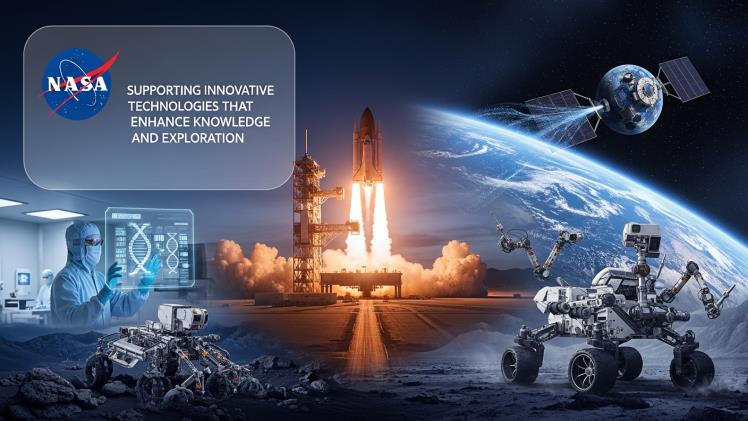
NASA, the National Aeronautics and Space Administration, is a leader in advancing technologies that expand human knowledge and exploration. Beyond space missions, NASA develops cutting-edge tools, systems, and methods that push the boundaries of science and engineering. These innovations are applied to satellite systems, propulsion technologies, robotics, and observational instruments, enabling researchers to study planets, stars, and Earth in unprecedented detail. By investing in innovative technologies, NASA enhances both exploration capabilities and scientific understanding.

How Does NASA Develop Innovative Technologies?

NASA fosters technological innovation through extensive research and development programs. Engineers and scientists work collaboratively to design solutions for complex space and Earth science challenges. Technologies often undergo rigorous testing in labs, simulators, and real-world environments to ensure reliability and effectiveness. Partnerships with universities, research institutions, and private industry further accelerate innovation by combining expertise, resources, and ideas. Through this process, NASA produces practical and groundbreaking tools that support both space exploration and scientific discovery.

Why Are Innovative Technologies Important for Exploration?

Exploration requires advanced tools to gather data, analyze environments, and ensure safety in extreme conditions. Innovative technologies allow NASA to send rovers to distant planets, operate satellites for Earth observation, and maintain human space missions in low Earth orbit and beyond. These technologies improve accuracy, efficiency, and sustainability in exploration. Without continuous technological development, missions would face limitations in scope, safety, and scientific output, underscoring the critical role of innovation in expanding human knowledge.

What Are Examples of NASA’s Technological Innovations?

NASA has introduced numerous technologies that have transformed both space missions and daily life on Earth. Robotics advancements, such as autonomous rovers and robotic arms, allow exploration of distant planets and asteroids. Satellite instruments monitor climate, weather, and environmental changes with precision. Propulsion systems and spacecraft design innovations enable longer and safer missions. Even materials science breakthroughs, including lightweight composites and radiation-resistant materials, are crucial for protecting both astronauts and equipment in harsh space conditions. These examples demonstrate how NASA’s technology supports exploration while benefiting broader scientific fields.

How Does NASA Collaborate With Researchers and Innovators?

Collaboration is a key element of NASA’s technological development. The agency partners with universities, startups, and established technology firms to create solutions that might not be possible within a single organization. Joint projects often focus on shared goals, such as developing sustainable propulsion, advanced sensors, or AI-driven systems for data analysis. These partnerships also allow researchers to test technologies in space-like conditions, accelerating development and ensuring that innovations are ready for practical application.

Why Is Technology Transfer Significant?

NASA’s technology transfer program ensures that innovations developed for space missions benefit society on Earth. Many tools and systems originally designed for exploration have been adapted for medical devices, environmental monitoring, transportation, and communication systems. By sharing technology with industry and academia, NASA fosters economic growth and encourages further research. This process maximizes the value of NASA’s investments and ensures that technological advances support both exploration and societal progress.

How Does Innovation Enhance Scientific Knowledge?

Innovative technologies provide scientists with the ability to collect, process, and interpret data more accurately and efficiently. Instruments like telescopes, spectrometers, and satellite sensors allow for detailed observations of celestial objects and Earth’s systems. Advanced computing and AI tools help researchers analyze complex datasets, identify patterns, and make predictions. By enhancing both data collection and analysis, technology directly contributes to expanding scientific understanding and generating new discoveries.

Conclusion: Why NASA’s Technological Innovation Is Vital

NASA’s commitment to supporting innovative technologies strengthens exploration and scientific research. Through the development of advanced tools, collaboration with researchers, and technology transfer programs, NASA enhances human knowledge and enables ambitious missions. These innovations improve the efficiency, safety, and accuracy of space exploration while creating tangible benefits for society on Earth. By continuing to invest in technology, NASA ensures that humanity can explore new frontiers, expand scientific understanding, and develop solutions that advance life both in space and at home.

Bank of America promoting community development through local investments

0

Community development is a cornerstone of sustainable economic growth, and financial institutions play a critical role in fostering it. Bank of America has committed to promoting community development through local investments, demonstrating the power of finance to create positive social and economic outcomes. By supporting affordable housing, small businesses, education initiatives, and infrastructure projects, Bank of America helps strengthen communities and improve quality of life for residents.

What Are Bank of America’s Community Investment Initiatives?

Bank of America focuses on a variety of community investment initiatives designed to address the unique needs of local neighborhoods. One of the primary areas of focus is affordable housing. The bank provides funding for the construction and rehabilitation of housing units, ensuring that individuals and families have access to safe and affordable living spaces. These investments support stability in communities and contribute to long-term economic growth.

Another critical area is small business development. Bank of America offers loans, grants, and advisory services to entrepreneurs and local businesses. By facilitating access to capital and business resources, the bank empowers small business owners to grow their operations, create jobs, and stimulate local economies.

How Does Bank of America Support Education and Workforce Development?

Investments in education and workforce development are key components of Bank of America’s community strategy. The bank funds programs that enhance K-12 education, provide scholarships, and support career training initiatives. By investing in education, Bank of America helps equip individuals with the skills necessary to succeed in the workforce, creating pathways to economic mobility and reducing disparities in underserved communities.

The bank also collaborates with local organizations to develop workforce development programs, providing training and mentorship for individuals entering or transitioning within the job market. These programs not only address skill gaps but also help ensure that local economies have access to a qualified workforce.

What Role Do Infrastructure and Community Projects Play?

Bank of America invests in community infrastructure projects that enhance public spaces and improve quality of life. This includes funding for transportation, green spaces, and community facilities that support health, recreation, and social cohesion. By strengthening local infrastructure, the bank helps create vibrant, resilient communities where residents can thrive.

Why Are Local Investments Important for Communities?

Local investments from financial institutions like Bank of America are crucial for community development because they provide resources where they are most needed. These investments stimulate economic activity, create jobs, and promote social equity. By directing capital into local projects and businesses, the bank fosters sustainable growth and addresses systemic challenges that communities face.

How Does Bank of America Measure the Impact of Its Investments?

Bank of America evaluates the impact of its community investments through measurable outcomes, such as the number of affordable housing units created, jobs supported, small businesses funded, and educational programs enhanced. Regular reporting ensures transparency and accountability, allowing both the bank and community stakeholders to track progress and make informed decisions about future investments.

What Are the Long-Term Benefits of Bank of America’s Community Development Efforts?

Long-term benefits include stronger local economies, increased access to affordable housing, better educational opportunities, and more resilient infrastructure. These efforts promote financial inclusion and social equity, ensuring that underserved communities have access to the resources and support necessary for growth.

In conclusion, Bank of America promotes community development through strategic local investments in housing, small businesses, education, workforce development, and infrastructure. By fostering economic growth, supporting social equity, and strengthening communities, the bank demonstrates how financial institutions can drive meaningful, sustainable change. These initiatives create lasting impact, empowering communities to thrive and building a stronger foundation for the future.

The Versatility of Shipping Containers: Your Guide to Finding the Right One

0

Shipping containers have become essential for various applications, including storage, transport, and innovative housing solutions. Whether you’re looking for a 40 ft shipping container for sale or exploring smaller options, understanding the available choices is crucial. This post will explore various aspects of shipping containers, from sizes and prices to unique uses, helping you find the right container for your needs.

Shipping Containers for Sale Near Me

When searching for shipping containers for sale near me, it’s essential to consider local suppliers that offer a variety of options. Many companies specialize in selling new and used containers, providing a range of sizes to fit your specific requirements.

Benefits of Local Suppliers

  • Immediate Availability: Local suppliers often have containers ready for quick delivery or pickup.
  • Inspection Opportunities: You can physically inspect the container for quality and condition before purchase.

40 ft Shipping Container for Sale

The 40 ft shipping container is one of the most popular sizes due to its extensive storage capacity. These containers typically offer around 2,390 cubic feet of space, making them ideal for both commercial and residential uses.

Ideal Uses

  • Commercial Storage: Perfect for businesses needing to store inventory or equipment.
  • Residential Projects: Can be converted into workshops, home offices, or even living spaces.

40 ft Shipping Container for Sale Near Me

If you’re specifically looking for a 40 ft shipping container for sale near me, consider checking online listings or contacting local suppliers. Many companies provide competitive pricing and may even offer discounts on bulk purchases.

Pricing Considerations

Prices for 40 ft shipping containers can vary significantly based on condition (new vs. used) and local market demand. Typically, you might find used containers priced between $2,500 to $4,000, while new containers can range from $3,000 to $5,000.

40′ Shipping Containers Under $1,000

Finding 40′ shipping containers under $1,000 is challenging but not impossible. If you’re on a tight budget, consider the following strategies:

  • Local Auctions: Some businesses and government agencies auction off used containers, which can lead to significant savings.
  • Negotiate: Don’t hesitate to negotiate the price with local suppliers, especially if you find any wear and tear on the container that affects its value.

Shipping Containers Homes for Sale

The trend of converting shipping containers into homes has gained popularity due to their affordability and sustainability. Shipping container homes for sale offer unique living solutions that are both stylish and functional.

Advantages of Container Homes

  • Eco-Friendly: Repurposing containers reduces waste and promotes sustainable living.
  • Customizable: You can design your container home according to your personal style and needs.

Shipping Container Sizes

Understanding shipping container sizes is crucial when selecting the right container. Common sizes include:

  • 20 ft Containers: Ideal for smaller storage needs, offering about 1,172 cubic feet of space.
  • 40 ft Containers: Suitable for larger projects, providing ample room for storage or living spaces.
  • 10 ft and 30 ft Containers: Great for specific applications, such as temporary storage or small-scale projects.

Used Shipping Containers for Sale

Used shipping containers for sale can provide excellent value, especially for those on a budget. Here are a few benefits of purchasing used containers:

  • Cost Savings: Used containers are typically priced lower than new ones, making them more accessible.
  • Condition and Quality: Many used containers are still in excellent condition, often classified as A-grade, meaning they have minimal wear and are structurally sound.

Where to Find Used Containers

  • Local Dealers: Many local suppliers specialize in used containers, offering a variety of sizes and conditions.
  • Online Marketplaces: Websites dedicated to container sales often have extensive listings for used containers, allowing you to compare prices and conditions easily.

Conclusion

Shipping containers are versatile solutions for storage, transport, and even innovative housing designs. Whether you’re in the market for a 40 ft shipping container or exploring smaller options, understanding your needs and the available choices will help you make an informed decision. By considering local suppliers, exploring used options, and understanding container sizes, you can find the perfect shipping container to meet your requirements. Explore your options today and discover the endless possibilities that shipping containers can offer.

Grada3 Enabling Personalized Learning Paths for Every Student

0

In the evolving landscape of education, personalized learning has become a key focus for improving student engagement, understanding, and long-term success. Grada 3 offers innovative solutions that enable students to follow customized learning paths tailored to their unique needs, abilities, and learning styles. By leveraging technology, adaptive assessments, and real-time insights, Grada3 empowers educators to provide instruction that is both effective and meaningful, helping every student achieve their full potential.

Understanding the Importance of Personalized Learning

Every student learns differently, with distinct strengths, weaknesses, and interests. Traditional classroom approaches often struggle to meet these individual needs, leading to gaps in understanding and reduced motivation. Personalized learning addresses these challenges by creating flexible pathways that align with each student’s pace and style of learning.

Grada3 recognizes that personalized learning is not just about content delivery; it’s about fostering a supportive environment where students can actively engage with material that resonates with them. By tailoring instruction to individual learners, Grada3 helps bridge gaps in knowledge, build confidence, and cultivate a lifelong love of learning.

Adaptive Technology for Tailored Education

A core feature of Grada3 is its use of adaptive technology, which adjusts content and assessments based on student performance. This technology identifies areas where a student may struggle and provides targeted practice or supplementary resources to strengthen understanding. Conversely, students who excel in specific topics are challenged with advanced material to maintain engagement and encourage growth.

This approach ensures that learning is always relevant and appropriately challenging, reducing frustration and boredom. Adaptive technology also provides educators with valuable insights into each student’s progress, allowing for informed instructional decisions and personalized support.

Creating Individualized Learning Paths

Grada3 enables the creation of individualized learning paths, where each student’s journey is tailored to their goals, abilities, and learning preferences. These paths combine core curriculum objectives with personalized recommendations, ensuring that students meet academic standards while exploring areas of interest or need.

Educators can monitor progress and adjust learning paths in real-time, providing timely interventions when necessary. This flexibility ensures that instruction remains responsive and effective, helping students stay on track and achieve measurable growth.

Empowering Educators and Students

Grada3 not only supports students but also empowers educators by streamlining the management of personalized learning. Teachers can access detailed analytics, track engagement, and receive recommendations for interventions. This data-driven approach allows educators to focus their efforts on the areas that matter most, creating a more efficient and impactful teaching experience.

For students, Grada3 fosters autonomy and accountability. By engaging with customized content and tracking their own progress, learners develop skills in self-directed learning, goal setting, and critical thinking—abilities that extend beyond the classroom and into future educational and career pursuits.

Enhancing Learning Outcomes

The personalized learning paths provided by Grada3 contribute to enhanced educational outcomes. Students benefit from instruction that adapts to their needs, promoting deeper understanding, retention, and application of knowledge. Personalized approaches also increase motivation and engagement, as learners feel seen and supported in their unique journey.

Moreover, the integration of technology and analytics ensures that both students and educators have access to actionable insights, enabling continuous improvement and targeted interventions. This holistic approach supports sustained academic growth and fosters a positive learning experience for all students.

Preparing Students for Lifelong Success

Grada3’s commitment to personalized learning prepares students not only for immediate academic success but also for lifelong learning. By addressing individual strengths and challenges, fostering autonomy, and providing meaningful feedback, students develop confidence and resilience that will serve them throughout their educational journey and beyond.

Through adaptive technology, individualized learning paths, and a focus on student-centered instruction, Grada3 continues to transform education. By enabling personalized learning for every student, it empowers learners and educators alike, creating an environment where each individual can thrive, grow, and achieve their full potential.